
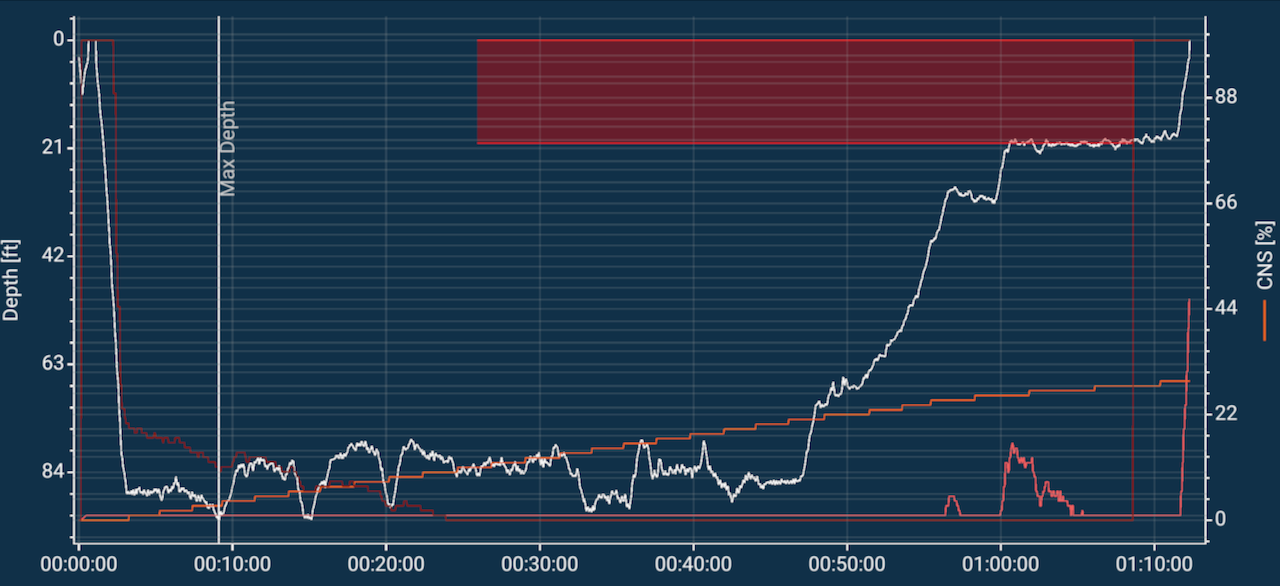
Your dive computer’s algorithm matters more than its screen.
Most divers pick a computer based on display size, wrist comfort, or whether it looks good out of the water. Reasonable factors — but none of them are the most important one. The decompression algorithm underneath the screen is what actually determines your risk profile on every dive.
Here’s What’s Worth Understanding
- Bühlmann ZHL-16 (with gradient factors) — the most common algorithm in tech-capable computers. Gradient factors let you adjust conservatism; lower numbers mean more conservative profiles and more deco time.
- VPM-B / VPM-B+ — a bubble model approach, generally produces deeper stops with shorter shallow stops compared to Bühlmann. Common in computers built specifically for technical diving.
- RGBM — used in several recreational-leaning computers, blends elements of dissolved gas and bubble models.
None of these is universally “right.” But you need to know which one your computer runs, understand how its conservatism settings actually change your profile, and — critically — never blindly trust a number without understanding the model behind it.
For Technical Diving Specifically
Look for: multi-gas support with easy gas switching, user-adjustable conservatism, and a backup computer running the same or a compatible algorithm. Redundancy in computation matters as much as redundancy in gas.
If you don’t know what algorithm your current computer runs, that’s worth finding out before your next dive — not after a confusing surface interval conversation with your buddy.
Kraken DiveWorks | Newington, CT
Leave a Reply